

📊 Laser Isn’t the Only Bottleneck
Across Malaysia, many small and medium-sized enterprises (SMEs) in metal fabrication have invested in faster, more powerful equipment. A 27 kW fibre laser can slice through steel like butter. A CNC press brake can bend with pinpoint precision.
But here’s the catch: these machines only earn their keep when they’re running. In many workshops, production slows not because the cutting or bending is slow, but because of manual loading, material handling, and welding processes that haven’t kept pace. These bottlenecks limit throughput, tie up manpower, and make it harder to meet tight delivery schedules.
Automation — from robotic loaders to cobot welders — is no longer a “big factory” luxury. With costs coming down and government support increasing, it’s becoming an essential step for Malaysian SMEs looking to stay competitive in the Industry 4.0 era.
Malaysia’s Automation Gap — and Opportunity
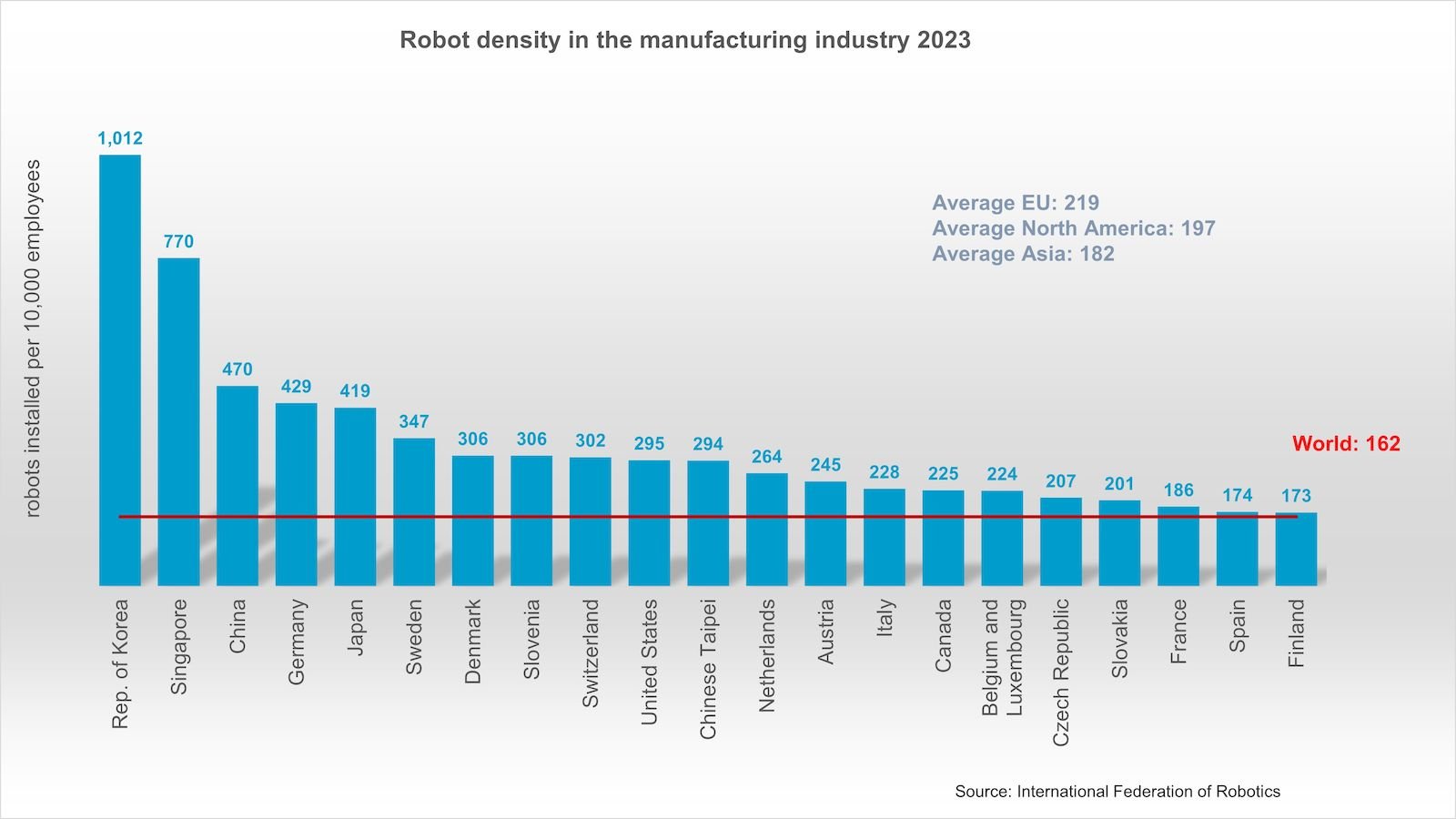
Globally, manufacturing automation is accelerating fast. The average robot density — the number of industrial robots per 10,000 manufacturing workers — hit 162 in 2023, double the figure just seven years ago (IFR, 2024).
Malaysia, however, sits at around 55 robots per 10,000 workers, according to the National Robotics Roadmap (The Edge, 2024). The government aims to more than triple that to 195 by 2030. By comparison, Singapore operates at about 770, and South Korea exceeds 1,000.
This gap means two things:
1. We’re behind in automation adoption, especially among SMEs.
2. We have room to leap ahead — newer SMEs can start fresh with modern, flexible systems, without the burden of legacy setups.
🏭 Where Automation Pays Back First in Metal Fabrication
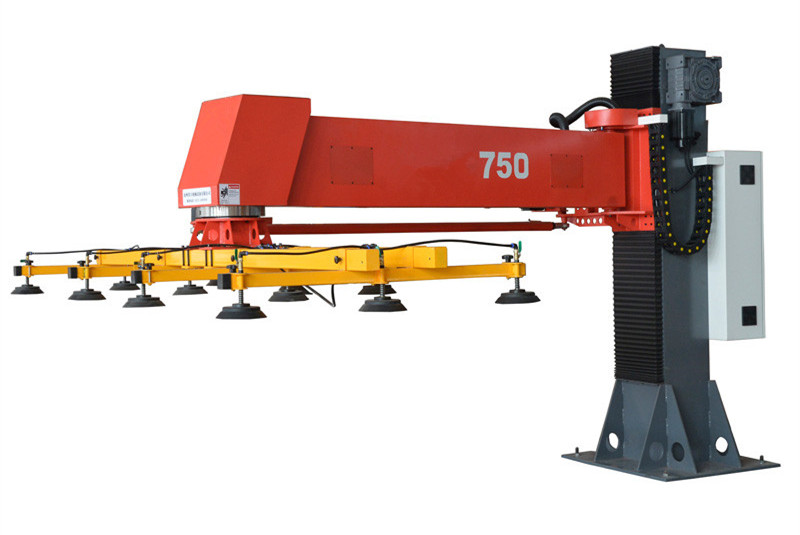
Automation isn’t about replacing your workforce — it’s about replacing bottlenecks. In Malaysian sheet and pipe metal fabrication, the biggest wins often come from:
Laser Loading/Unloading & Storage Towers
A high-power laser cutter is only as productive as its material supply. Automated loaders and tower storage systems feed sheets continuously, even outside operator hours, increasing utilisation without extra manpower. In many global shops, this upgrade pays for itself in 18–24 months — especially if the laser is your current bottleneck.
Automated Bending Solutions
Panel benders and robotic press-brake tending stations deliver repeatable results and eliminate setup delays. This is particularly valuable in Malaysia, where skilled press brake operators are in short supply. Consistency also means less scrap and rework, improving margins.
💰 The ROI Equation — Numbers That Matter
Yes, automation is a capital expense. But the return is easier to measure than many think.
Take welding as an example. A small fabrication shop might have two welders producing around 30 assemblies each per day, with each welder earning about RM3,000 per month including EPF and SOCSO. By introducing a robotic welding cell that runs roughly 1.5 times faster and can operate for an additional two hours a day without overtime, the shop could match the output of about one and a half welders. That translates to roughly RM54,000 a year in labour cost offset, plus savings from reduced scrap thanks to consistent weld quality. With cobot welding systems in the RM85,000–RM100,000 range, many SMEs could see a payback period of around two years — all while improving throughput on the same floor space.
📈 Policy Tailwinds in Malaysia
The Malaysian government is actively encouraging SMEs to automate, with significant support measures:
1. Budget 2023 allocated RM1 billion in bank-linked financing to help SMEs invest in automation and digitalisation (Belanjawan 2023).
2. Budget 2025 adds RM3.8 billion in SME loans for similar purposes (Wolters Kluwer, 2024).
3. Industry4WRD policy and initiatives like the Smart Manufacturing Experience Centre provide assessment tools, training programmes, and even “Smart Factory as a Service” models to reduce upfront investment (Hitachi Social Innovation).
These programmes lower the financial and technical barriers to entry, making automation more accessible for SMEs.
🛠️ The Kyodo Approach to SME Automation
At Kyodo Engineering, automation is something we have steadily integrated into our own operations. Over the years, we’ve adopted technologies such as robotic welding cells, automated bending solutions, and precision tube-cutting systems to streamline our production flow. Each upgrade was driven by a clear need in our own workshop, whether it was to reduce repetitive manual tasks, improve consistency across large batches, or speed up complex assemblies. These investments have allowed us to increase output, maintain high quality standards, and give our team the tools to work more efficiently and safely — all while strengthening our ability to deliver on time for our clients.
🔮 Conclusion: Future-Proof Your Fabrication Business
Automation is no longer an optional upgrade for large manufacturers — it’s a competitive necessity for Malaysian SMEs. With falling equipment costs, available financing, and a supportive policy environment, the question is not if you should automate, but where you should start.
By targeting your bottlenecks, leveraging incentives, and building in-house skills, you can increase output, protect margins, and position your business for the Industry 4.0 landscape ahead.
